Understanding what is mangalsutra and its significance is essential for appreciating one of the most meaningful symbols in Indian bridal traditions. A mangalsutra is more than just a necklace. It represents love, commitment, unity, and the sacred bond of marriage. For generations, this jewellery piece has held deep emotional and cultural importance within Indian weddings and family traditions.
Traditionally, the mangalsutra is tied around the bride’s neck during the wedding ceremony by the groom. This ritual symbolises the beginning of married life and the promise of lifelong companionship. While the design and styling of mangalsutras have evolved significantly over the years, their emotional meaning continues to remain timeless for brides across the world.
The Historical Meaning of the Mangalsutra
Origins of the Mangalsutra Tradition
To understand what is mangalsutra and its significance, it is important to look at its historical roots. The tradition of wearing sacred necklaces in marriage ceremonies dates back thousands of years in Indian culture. Ancient texts and regional customs often referenced symbolic jewellery worn by married women as a sign of prosperity, protection, and marital commitment.
Over time, these traditions evolved into the modern mangalsutra, combining black beads, gold chains, and symbolic pendants that represent love and spiritual unity.
Symbolism Behind the Black Beads and Gold
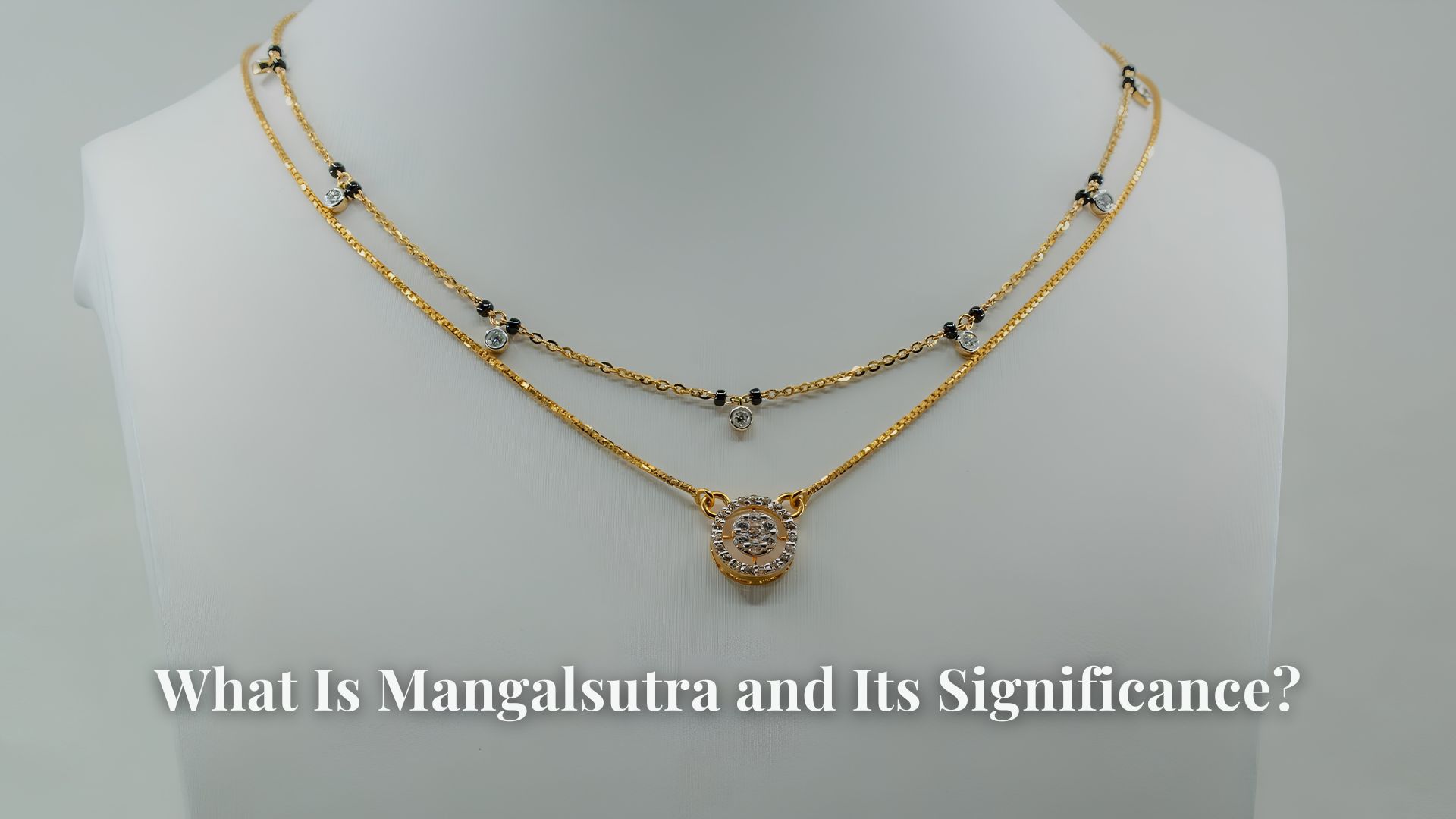
Traditional mangalsutras usually feature black beads combined with gold elements. The black beads are believed to protect the marriage from negative energy and bring spiritual strength to the relationship. Gold symbolises prosperity, purity, and long lasting fortune.
This combination of symbolism is central to understanding what is mangalsutra and its significance within Indian bridal traditions.
Why Mangalsutras Remain Important Today
Emotional and Cultural Connection
Even in modern times, the mangalsutra continues to carry strong emotional meaning. Many brides see it as a symbol of marital unity and family heritage. Wearing a mangalsutra helps preserve cultural traditions while creating a meaningful emotional connection between generations.
Families often pass down bridal jewellery through generations, making mangalsutras cherished heirlooms with deep sentimental value.
A Blend of Tradition and Modern Fashion
Modern brides increasingly seek jewellery that reflects both cultural heritage and contemporary fashion preferences. Contemporary mangalsutras now feature minimalist pendants, sleek chains, geometric motifs, and diamond detailing suitable for everyday wear.
Collections inspired by modern mangalsutras allow brides to honour tradition while embracing elegant and wearable modern jewellery trends.
Different Types of Mangalsutra Designs
Traditional Gold Mangalsutras
Traditional gold mangalsutras often feature longer chains, intricate pendants, and classic black bead detailing. These designs are especially popular for wedding ceremonies and religious occasions.
Their timeless craftsmanship continues to appeal to brides who value cultural authenticity and regal bridal aesthetics.
Minimalist and Contemporary Styles
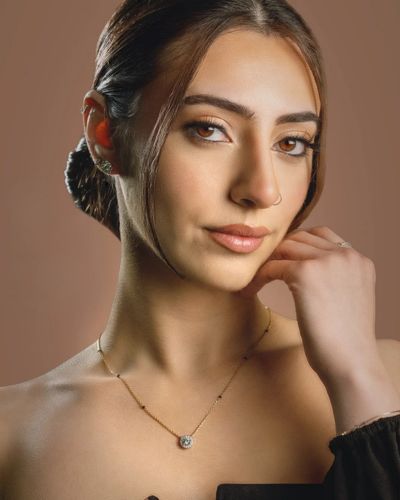
Minimalist designs are becoming increasingly popular among younger brides. Lightweight chains, solitaire pendants, and sleek geometric motifs create jewellery that feels elegant and practical for daily wear.
The growing influence of modern mangalsutra trends reflects how contemporary brides now prefer jewellery that transitions effortlessly between weddings, office wear, and casual fashion.
Diamond Mangalsutras
Diamond accented mangalsutras combine traditional symbolism with contemporary luxury. These styles are especially appealing to brides who want sophisticated jewellery that feels fashionable yet meaningful.
Regional Variations in Mangalsutra Traditions
South Indian Mangalsutras
South Indian mangalsutras often feature temple inspired motifs, Lakshmi symbols, and elaborate gold craftsmanship rooted in regional traditions.
Maharashtrian Mangalsutras
Maharashtrian mangalsutras commonly include two bowl shaped pendants called vatis, symbolising husband and wife.
North Indian Styles
North Indian mangalsutras typically feature black bead chains with gold or diamond pendants designed for both traditional and contemporary bridal styling.
Understanding these regional variations adds further depth to what is mangalsutra and its significance across different Indian communities.
How Modern Brides Are Redefining Mangalsutras
Everyday Wearability
Modern brides increasingly prefer lightweight mangalsutras designed for comfort and versatility. Instead of wearing heavy ceremonial jewellery daily, women now choose sleek and practical designs suitable for modern lifestyles.
Personalised Jewellery Trends
Customisation has become a major bridal jewellery trend. Brides now personalise their mangalsutras with initials, meaningful symbols, gemstones, and custom pendant shapes that reflect their personal style and relationship.
Fusion of Western and Traditional Fashion
Contemporary mangalsutras are now styled effortlessly with dresses, office wear, fusion bridal outfits, and western fashion. This adaptability has helped preserve the relevance of mangalsutras among younger generations.
Collections influenced by modern mangalsutra uk trends continue to focus heavily on wearable sophistication and minimalist elegance.
The Spiritual and Emotional Importance of Mangalsutras
The mangalsutra remains one of the strongest symbols of marriage in Indian culture, representing love, loyalty, and a lifelong partnership between husband and wife. For many brides, it also reflects a deep connection to family traditions and cultural heritage, creating a meaningful link between generations. Unlike fashion jewellery that may go out of style, a mangalsutra often becomes a cherished family heirloom, passed down through generations because of its lasting emotional and sentimental value.
Caring for Your Mangalsutra
Proper maintenance helps preserve the beauty and symbolism of your mangalsutra jewellery. Store your necklace separately in a soft jewellery pouch or lined box to avoid scratches and tangling.
Clean the jewellery gently using warm water, mild soap, and a soft cloth. Avoid exposure to perfumes, harsh chemicals, and excessive moisture, especially for diamond accented designs.
Professional cleaning once or twice a year can also help maintain the shine and craftsmanship of the jewellery over time.
Final Thoughts
Understanding what is mangalsutra and its significance reveals how deeply this jewellery piece is connected to Indian bridal traditions, emotional symbolism, and cultural heritage. For generations, the mangalsutra has represented love, unity, protection, and marital commitment while remaining one of the most meaningful bridal accessories in Indian weddings.
Today’s brides continue to honour these traditions while embracing contemporary jewellery trends that focus on elegance, comfort, and versatility. Collections inspired by modern mangalsutras beautifully combine timeless symbolism with minimalist sophistication suitable for modern lifestyles.
As bridal fashion continues to evolve, the influence of mangalsutra styles highlights how traditional jewellery can adapt thoughtfully to contemporary tastes while preserving its emotional and cultural importance.
FAQs - Frequently Asked Questions
What is the purpose of a mangalsutra?
A mangalsutra symbolises marriage, love, commitment, and the sacred bond between husband and wife.
Why does a mangalsutra contain black beads?
Black beads are traditionally believed to protect the marriage from negative energy and bring spiritual strength.
Can modern brides wear minimalist mangalsutras?
Yes. Contemporary mangalsutras are designed to be lightweight, elegant, and suitable for everyday wear.
Are mangalsutras worn in all Indian communities?
Mangalsutra traditions vary across regions, but many Indian communities include some form of sacred bridal necklace in marriage ceremonies.
Can mangalsutras include diamonds and modern designs?
Absolutely. Modern jewellery trends now combine traditional symbolism with contemporary diamond and minimalist styling.