Choosing a diamond can feel exciting, but it can also raise plenty of questions. Should you choose a traditional natural diamond or consider a lab grown alternative? With more people researching their options, understanding the differences has become increasingly important.
In this guide to Lab Grown vs Natural Diamonds, we explore how both types compare in terms of origin, appearance, quality, price, durability and long term value. Whether you are choosing an engagement ring, wedding jewellery or a meaningful gift, knowing these differences can help you make a confident decision.
What Are Natural Diamonds?
Natural diamonds form deep beneath the Earth’s surface over millions, or even billions, of years. Extreme heat and pressure transform carbon into the crystal structure that gives diamonds their distinctive brilliance and hardness. Eventually, geological activity brings these stones closer to the surface, where miners extract and prepare them for jewellery.
Because natural diamonds take an exceptionally long time to form, each stone has a unique geological history. Furthermore, their rarity contributes to their traditional appeal and market value. For generations, people have associated natural diamonds with luxury, permanence and significant milestones.
However, natural diamonds can cost more because mining, extraction, processing and distribution all contribute to their final price. Therefore, buyers who prioritise geological origin and traditional rarity may find natural diamonds particularly appealing.
What Are Lab Grown Diamonds?
Lab grown diamonds have the same basic chemical composition and crystal structure as natural diamonds. Instead of forming underground, however, they grow in controlled laboratory environments using advanced technology.
There are two main production methods: Chemical Vapour Deposition, commonly known as CVD, and High Pressure High Temperature, or HPHT. Both methods recreate conditions that allow carbon atoms to form diamond crystals.
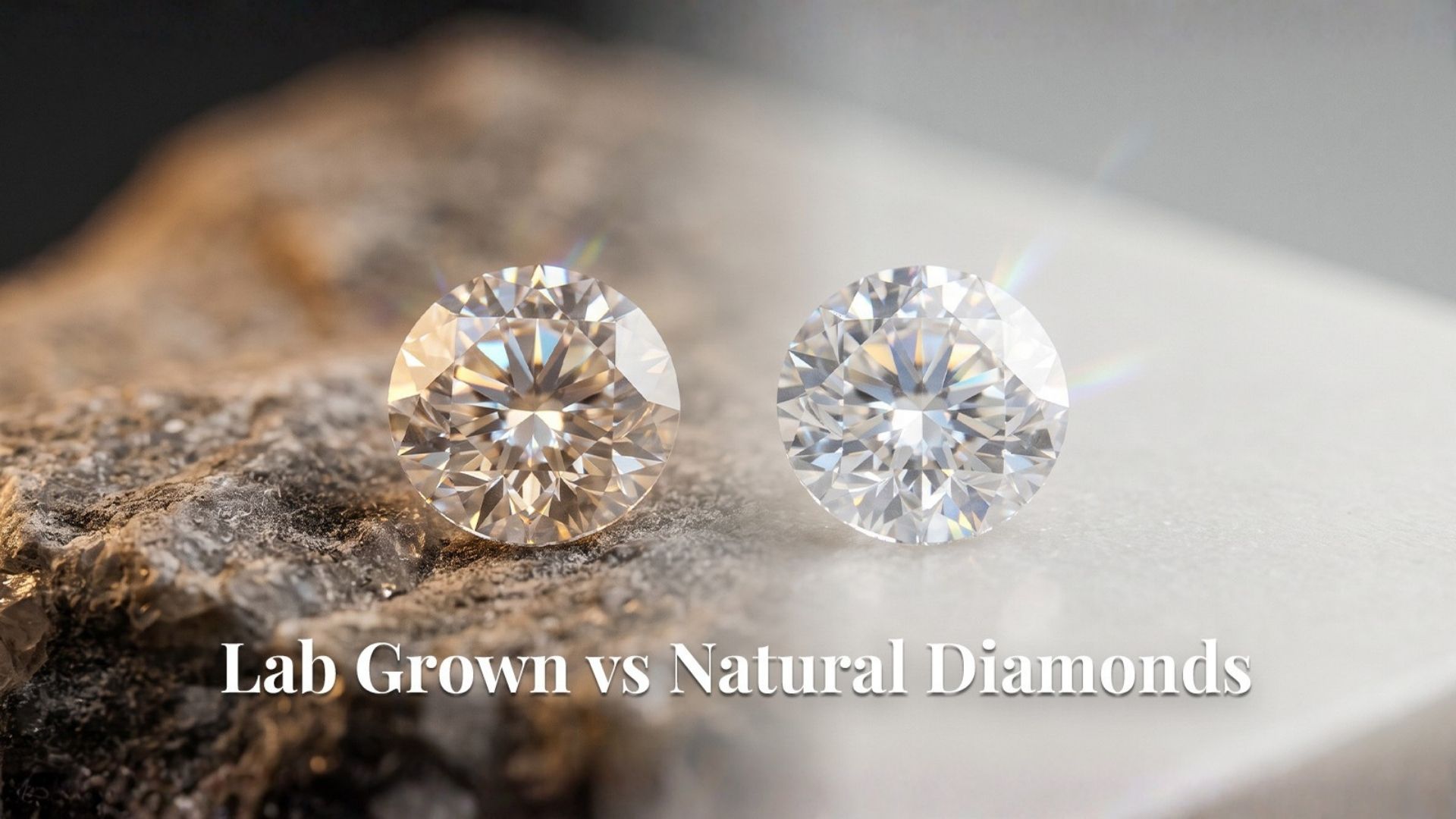
As a result, lab grown diamonds can look remarkably similar to natural diamonds. In fact, you generally cannot identify the difference simply by looking at the stone. Specialist equipment and professional grading reports can distinguish their origin.
Because laboratories can produce diamonds without the lengthy geological process associated with natural stones, lab grown diamonds often have a lower retail price. Consequently, they can offer buyers an opportunity to choose a larger or higher specification diamond within a particular budget.
Lab Grown vs Natural Diamonds: Appearance
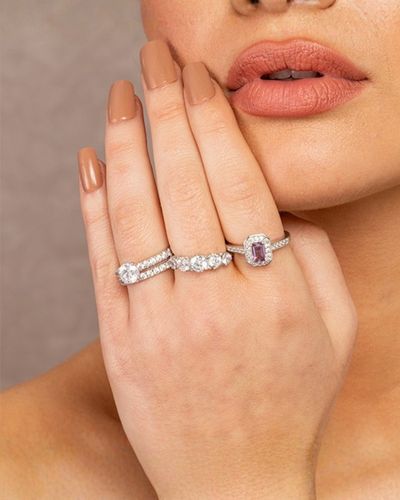
When comparing Lab Grown vs Natural Diamonds, appearance is one area where the difference may be difficult to notice. Both can display impressive brilliance, fire and sparkle when they receive an appropriate cut.
A diamond’s appearance depends largely on its cut, colour, clarity and carat weight rather than simply whether it came from a mine or laboratory. Therefore, two diamonds with similar grading characteristics can look very alike.
However, natural diamonds can contain inclusions and characteristics created during their formation beneath the Earth. Lab grown diamonds can also contain inclusions, although their characteristics may differ because of the production process.
Ultimately, if visual appearance matters most to you, comparing individual stones rather than focusing only on origin can make your decision easier.
Price and Affordability
Price represents one of the biggest differences in the Lab Grown vs Natural Diamonds debate. Natural diamonds generally command higher prices because of their geological rarity, mining process and established position within the traditional diamond market.
Lab grown diamonds typically cost less for comparable carat weight and grading characteristics. This difference can make them attractive to buyers who want to maximise their budget. For example, someone planning an engagement ring may choose a larger lab grown centre stone while maintaining a specific spending limit.
Nevertheless, price should not become the only deciding factor. Consider the design, craftsmanship, grading, diamond quality and personal significance of the jewellery as well. A beautiful piece should ultimately reflect your taste and the meaning behind the occasion.
Durability and Quality
Both natural and lab grown diamonds rank at the top of the Mohs scale for hardness. Consequently, both options can provide excellent durability for everyday jewellery when properly cared for.
A lab grown diamond is not simply a diamond imitation. It is a real diamond with essentially the same chemical and physical properties as a natural diamond. The primary distinction concerns its origin.
Similarly, natural diamonds vary considerably in quality. A natural diamond with lower clarity or an unsuitable cut may not appear as impressive as a well cut lab grown diamond with strong grading characteristics.
Therefore, when considering Lab Grown vs Natural Diamonds, focus on the individual stone as well as its origin. A reputable jeweller can explain the grading report and help you understand what you are buying.
Environmental and Ethical Considerations
The environmental and ethical aspects of diamonds can also influence purchasing decisions. Natural diamond mining can involve significant land use, energy consumption and resource requirements. However, responsible mining practices and industry standards continue to evolve.
Lab grown diamonds avoid traditional diamond mining because manufacturers create them in controlled facilities. However, their environmental impact still depends on factors such as energy sources, production methods and manufacturing practices.
For this reason, neither option automatically provides the complete answer for every buyer. Instead, research the jeweller and diamond supplier, ask about sourcing and production practices, and consider which factors align with your priorities.
Which Diamond Should You Choose?
There is no universal winner when comparing Lab Grown vs Natural Diamonds. The right choice depends on what matters most to you.
A natural diamond may suit you if you value geological rarity, traditional diamond heritage and the history associated with naturally formed stones. On the other hand, a lab grown diamond may appeal if you want excellent diamond quality at a potentially lower price and prefer a laboratory created origin.
Your jewellery style can also influence the decision. For example, a bespoke ring, pendant or mangalsutra can feature either type of diamond depending on the design and your preferences. Therefore, discuss your budget and expectations with an experienced jeweller before making a final decision.
Think Beyond the Diamond
A diamond represents only one part of a jewellery purchase. The metal, setting, craftsmanship and overall design can significantly influence how the finished piece looks and feels.
If you are creating a bespoke piece, consider how the diamond will complement your lifestyle and existing jewellery. You may also want to explore options for repurposing older pieces rather than starting completely from scratch.
For instance, if you have unwanted jewellery, you could sell your gold and put the value towards a new bespoke design. This approach can help you create something more personal while giving unused jewellery a new purpose.
Likewise, when designing a mangalsutra, you can choose diamond details that complement the traditional elements while creating a contemporary appearance. The result can combine cultural significance with your personal style.
Understanding Long Term Value
Many buyers wonder whether lab grown or natural diamonds offer better long term value. The answer depends on what you mean by value. A diamond can hold emotional, aesthetic and financial significance, and these forms of value do not always move together.
Natural diamonds have a long established position within the jewellery market, although resale prices can vary considerably depending on the stone and market conditions. Lab grown diamonds generally have lower initial prices and can experience different pricing dynamics as production technology develops.
Therefore, you should not purchase either type solely because you expect it to increase in value. Instead, choose a diamond because you love the stone and feel comfortable with its price and origin.
If you are upgrading an existing piece, you could also sell your gold and use the proceeds towards a new design that better reflects your current style.
Making Your Final Decision
Understanding Lab Grown vs Natural Diamonds makes the buying process much easier. Both options can provide exceptional beauty, durability and versatility, but their origins, pricing and market characteristics differ.
Natural diamonds offer a connection to the Earth and a tradition that has shaped jewellery culture for generations. Meanwhile, lab grown diamonds provide another way to own a genuine diamond, often at a more accessible price.
Ultimately, the best choice comes down to your priorities, budget and personal preferences. Take time to compare individual stones, review certification and speak with a trusted jeweller before committing.
Whether you choose a natural diamond or a lab grown stone, the most important factor is finding a piece that feels meaningful to you. After all, jewellery is not simply about the material. It is about the memories, occasions and personal stories that stay with you for years to come.
FAQs - Frequently Asked Questions
Are lab grown diamonds real diamonds?
Yes. Lab grown diamonds are real diamonds with the same fundamental chemical composition and crystal structure as natural diamonds. Their main difference is their origin.
Are lab grown diamonds cheaper than natural diamonds?
Generally, yes. Lab grown diamonds often have a lower purchase price than comparable natural diamonds, although the exact difference depends on factors such as carat, cut, colour and clarity.
Can you tell the difference between lab grown and natural diamonds?
You usually cannot distinguish them reliably by looking at them. Professional gemmological equipment and grading reports can identify whether a diamond is lab grown or naturally formed.
Which is better for an engagement ring?
Both can work beautifully for an engagement ring. Natural diamonds may appeal to buyers who value rarity and tradition, while lab grown diamonds can provide greater flexibility for buyers working with a particular budget.
Do lab grown diamonds last as long as natural diamonds?
Yes. Both types are highly durable and suitable for everyday jewellery. Proper care and maintenance will help keep either type looking beautiful for many years.