Bespoke jewellery has a special quality that makes it feel far more meaningful than an off the shelf piece. It reflects your personality, your story and the moments you want to remember. But have you ever wondered how a beautiful custom ring, necklace or bracelet comes to life? Understanding How Bespoke Jewellery Is Made gives you a fascinating look into the creativity, craftsmanship and precision behind every unique piece.
From the first consultation to the final polish, each stage requires careful attention. Moreover, the process allows you to become part of the creative journey rather than simply choosing a finished design. Whether you want an engagement ring, wedding band, pendant or a traditional mangalsutra, bespoke jewellery offers the opportunity to create something that feels genuinely personal.
Step 1: Sharing Your Ideas
Every bespoke jewellery journey begins with an idea. You may already have a clear design in mind, or you might only know the type of jewellery you want. Either way, a jeweller will usually begin with a consultation to understand your preferences, lifestyle and budget.
During this conversation, you can discuss the type of metal, gemstones, colours, shapes and overall style you prefer. You can also bring photographs, sketches or existing jewellery for inspiration. Consequently, the jeweller gains a clearer understanding of your vision and can suggest suitable options.
This stage is important because good communication creates the foundation for the entire project. Your jeweller may also explain which materials and designs will work best for everyday wear, special occasions or sentimental pieces.
Step 2: Developing the Design
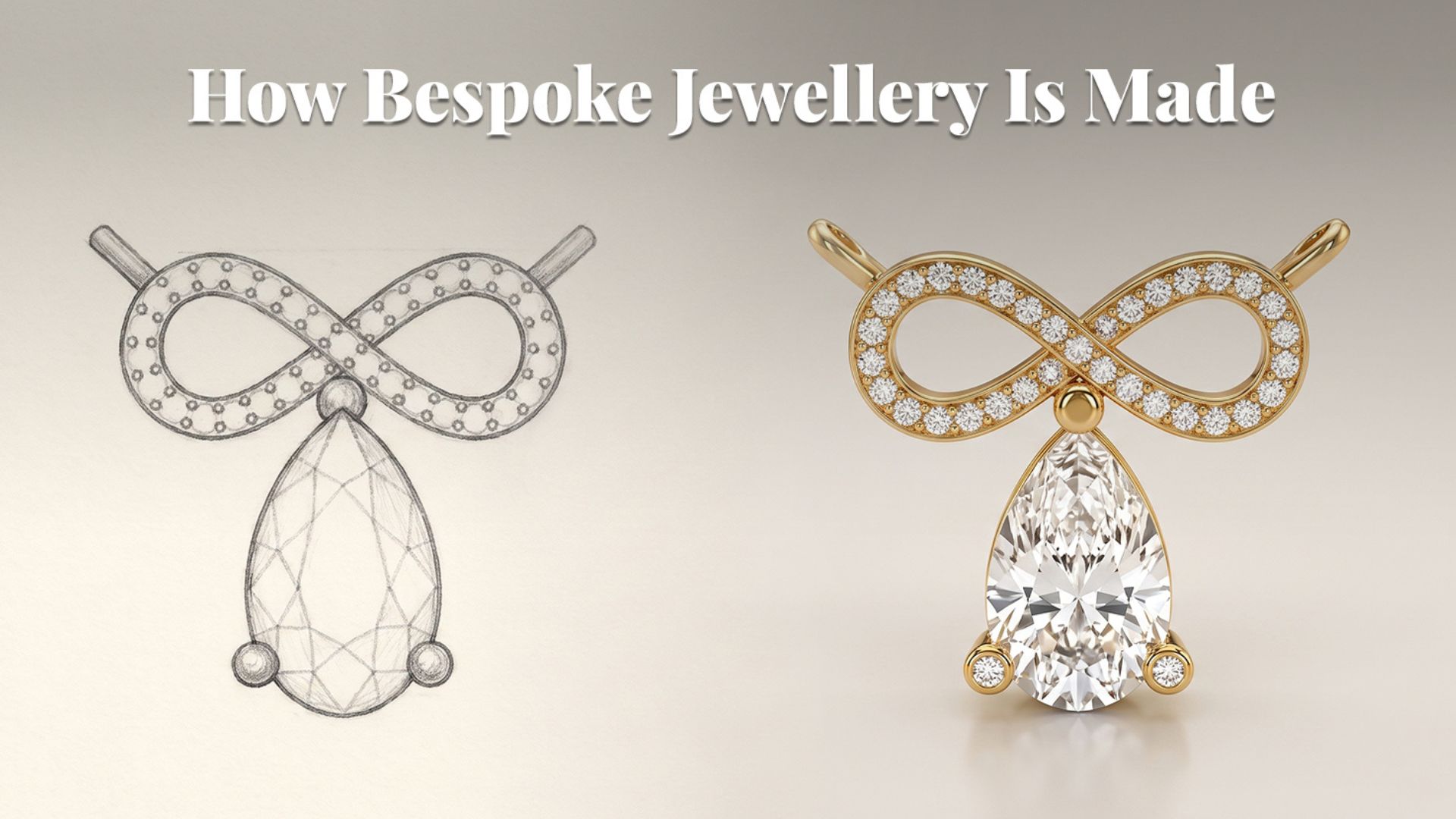
Once your ideas are clear, the jeweller begins turning them into a detailed concept. This is one of the most exciting parts of understanding How Bespoke Jewellery Is Made, because you can see your ideas becoming a realistic design.
The jeweller considers proportions, gemstone placement, metal choices and practical details. For example, an engagement ring needs to look beautiful while also offering enough strength for regular wear. Similarly, a pendant needs an appropriate balance between appearance and comfort.
Depending on the jeweller, you may receive sketches or digital images that show how the finished piece could look. At this point, you can suggest changes before production begins. Therefore, the design stage gives you an opportunity to refine every important detail.
Step 3: Selecting Precious Metals and Gemstones
After approving the design, you can choose the materials that will bring it to life. Common choices include gold, platinum and other precious metals. Your choice can influence the colour, durability and character of the finished jewellery.
Gemstones also play an important role. Diamonds, sapphires, rubies and emeralds can create very different appearances and meanings. Your jeweller can explain factors such as colour, clarity, cut and carat weight so you can make an informed decision.
If you already own unwanted jewellery, you may also discuss whether its materials can contribute to your new piece. Some jewellers offer services that allow customers to sell your gold before creating a new design. This can provide a practical way to put unused jewellery towards something more meaningful.
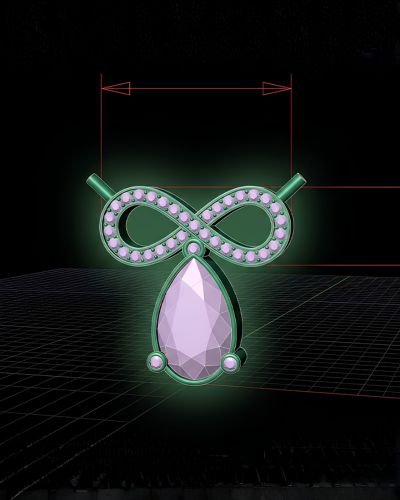
Step 4: Creating the Detailed Model
Once the design and materials have been agreed, the jeweller creates a detailed model of the piece. Modern jewellery workshops may use computer aided design technology to produce an accurate three dimensional representation.
This model allows the jeweller to examine the proportions and structure before manufacturing begins. You may also get another opportunity to review the design and approve the final version.
However, traditional craftsmanship still plays an important role. Many skilled jewellers combine modern technology with traditional techniques to achieve a distinctive finish. As a result, the final piece benefits from both precision and human creativity.
Step 5: Crafting the Jewellery
Now the design moves from concept to physical creation. Depending on the chosen method, the jeweller may cast the metal into the required shape or construct the piece by hand.
Skilled craftsmen carefully shape, cut, solder and refine the metal. Each component needs to fit correctly, particularly when the design includes several elements. Rings require precise sizing, while necklaces and bracelets need secure connections that can withstand regular use.
At this stage, patience matters. Bespoke jewellery does not follow the same mass production process as ready made pieces. Instead, craftsmen focus on creating one specific item according to an approved design. That individual attention helps give bespoke jewellery its distinctive character.
Step 6: Setting the Gemstones
If your design includes gemstones, setting them is one of the most precise stages. The jeweller carefully positions each stone and secures it within the metal.
Different settings can create different visual effects. A claw setting can highlight a central diamond, while a bezel setting offers a more enclosed appearance. Your jeweller will select a method that complements the design and provides appropriate security.
Furthermore, gemstone placement needs to follow the original design accurately. Even a small adjustment can change the balance of the piece. Experienced craftsmen therefore use specialist tools and careful techniques to ensure that every stone sits securely and looks its best.
Step 7: Polishing and Finishing
After construction and stone setting, the jewellery undergoes detailed finishing. The surface may be polished to create a smooth and bright appearance, while certain designs may require additional textures or finishes.
The jeweller carefully checks edges, joins and settings during this stage. Any imperfections can then be corrected before the piece receives its final finish.
This is where the craftsmanship becomes particularly visible. A well finished piece should feel comfortable when worn and should look refined from every angle. Therefore, polishing is not simply about making jewellery shiny. It also helps create the clean appearance associated with professionally crafted bespoke jewellery.
Step 8: Quality Checking
Before the jewellery reaches you, the finished piece should go through a thorough quality check. The jeweller examines the metalwork, gemstone settings, measurements and overall appearance.
The piece may also be checked to ensure that clasps, hinges or other moving components function correctly. If the jewellery includes a gemstone, the setting should hold it securely without affecting its appearance.
Quality control is particularly important for bespoke jewellery because the piece has been created specifically for you. Any issue identified at this stage can be addressed before collection or delivery. As a result, you receive jewellery that matches the agreed design and meets the expected standard of craftsmanship.
Step 9: The Final Reveal
The final stage is perhaps the most rewarding. After weeks of planning and craftsmanship, you finally see the finished piece.
Whether it is a personalised engagement ring, a meaningful pendant or a traditional mangalsutra with a contemporary design, the finished jewellery represents more than its materials. It captures the ideas and decisions that shaped its creation.
Many customers also choose bespoke jewellery because they want something that carries personal significance. The design may represent a relationship, family tradition, achievement or important milestone. That emotional connection can make the jewellery feel even more valuable.
Why Choose Bespoke Jewellery?
Understanding How Bespoke Jewellery Is Made shows why the process can feel so different from buying a ready made piece. You have greater involvement in the design, materials and details, allowing the final jewellery to reflect your individual preferences.
Bespoke jewellery can also offer flexibility when you have a specific idea that is difficult to find in standard collections. Instead of adapting your preferences to an existing design, you can work with a jeweller to create something around your vision.
Moreover, bespoke jewellery can give new life to existing precious metals or gemstones. If you have unused pieces, you might choose to sell your gold and use the value towards a new creation. This can make the experience both personal and practical.
Creating Something Truly Personal
The journey of How Bespoke Jewellery Is Made combines imagination, craftsmanship and careful decision making. Every stage, from the first consultation to the final quality check, contributes to the finished piece.
Most importantly, bespoke jewellery gives you the opportunity to create something that feels uniquely yours. Whether you are celebrating a relationship, marking a milestone or simply designing a piece that matches your personality, the process allows your ideas to become something tangible.
With the right jeweller, your vision can develop into a carefully crafted piece designed to be enjoyed for years. Ultimately, that personal connection is what makes bespoke jewellery so special.
FAQs - Frequently Asked Questions
How long does bespoke jewellery take to make?
The timeframe depends on the complexity of the design, the materials selected and the jeweller’s production process. Simple pieces may take a few weeks, while detailed designs can take longer. Your jeweller should provide an estimated timeframe during the consultation.
Is bespoke jewellery more expensive than ready made jewellery?
Not necessarily. The price depends on factors such as the metal, gemstones, design complexity and craftsmanship. Because you choose the materials and design, you can often work within a specific budget while creating a personalised piece.
Can I use my existing gold to create new jewellery?
Yes, some jewellers may allow you to use existing precious metals as part of a new design. Alternatively, you can sell your gold and put its value towards your bespoke jewellery. Ask your jeweller about the available options before starting the design.
Do I get to approve the design before production?
Usually, yes. Your jeweller will normally discuss the design with you before production begins. Depending on the service, you may receive sketches or a digital design, giving you an opportunity to request changes before the final piece is made.
Can I choose my own gemstones?
In most bespoke jewellery services, you can select your preferred gemstones. Your jeweller can explain the differences in quality, colour, durability and price, helping you choose stones that suit both your design and budget.
Why choose bespoke jewellery instead of a ready made design?
Bespoke jewellery gives you greater control over the design, materials and personal details. Rather than selecting from existing collections, you can work with a jeweller to create something that reflects your style, story and preferences.