Luxury jewellery has always been associated with beauty, craftsmanship and timeless value. However, modern shoppers are looking beyond appearance when choosing pieces for themselves or their loved ones. They increasingly want to know where materials come from, how jewellery is made and whether their purchases support responsible practices. This changing mindset has helped Sustainable Luxury Jewellery become an important part of the fine jewellery industry.
Today, luxury does not simply mean rare gemstones or precious metals. It can also mean thoughtful design, ethical sourcing, skilled craftsmanship and long lasting quality. As consumers become more conscious of their purchasing decisions, sustainable jewellery is moving from a niche trend to a significant direction for the future of fine jewellery.
What Does Sustainable Luxury Jewellery Mean?
Sustainable Luxury Jewellery combines the traditional qualities of fine jewellery with more responsible approaches to sourcing, manufacturing and design. It focuses on reducing unnecessary environmental impact while maintaining the quality, beauty and craftsmanship expected from luxury pieces.
This approach can involve responsibly sourced precious metals, recycled materials, ethically obtained gemstones and production methods designed to reduce waste. It can also include supporting skilled artisans and creating jewellery that is designed to remain beautiful for generations.
For shoppers, this means they can enjoy an exceptional piece while considering its wider impact. Whether someone is searching for an engagement ring, wedding band or a traditional mangalsutra, sustainability can now be part of the decision making process.
Why Jewellery Buyers Are Becoming More Conscious
The way people shop for luxury goods has changed considerably. Buyers now have access to more information about materials, supply chains and manufacturing practices than ever before. As a result, many people want greater transparency from jewellery brands.
Younger consumers in particular often consider values alongside design and price. They may ask whether a gemstone has been responsibly sourced or whether precious metals can be recycled. These questions are encouraging jewellery businesses to become more transparent about how their products are created.
The wider jewellery uk market is also responding to these changing expectations. Customers increasingly want pieces that represent their personal style while reflecting their values. This makes sustainability an important consideration rather than simply an optional feature.
Responsible Materials Are Changing Fine Jewellery
One of the biggest developments within sustainable jewellery is the increasing use of responsibly sourced materials. Recycled gold and other precious metals can help reduce the need for newly mined resources while still providing the quality associated with fine jewellery.
Gemstones are also receiving greater attention. Buyers may want to understand where stones originate and how they enter the jewellery supply chain. Responsible sourcing can help address concerns around environmental damage and working conditions.
For luxury jewellery designers, this creates an opportunity to combine beautiful designs with more considered material choices. Sustainable Luxury Jewellery does not have to compromise on elegance. Instead, thoughtful sourcing can become another part of the story behind a piece.
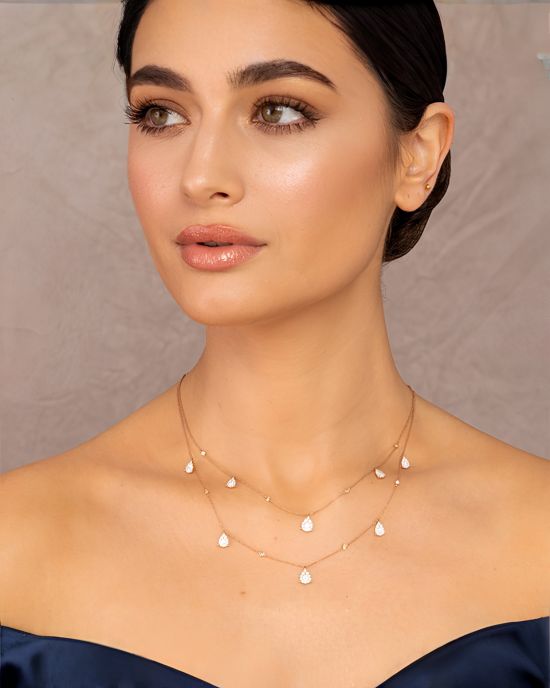
Timeless Design Reduces Waste
Choosing Jewellery That Lasts
Fast changing fashion can encourage people to replace products frequently. Fine jewellery works differently because it has traditionally been designed to last. Sustainable luxury takes this principle even further by focusing on timeless designs and durable craftsmanship.
A beautifully made ring, necklace or bracelet can remain relevant for decades. It may eventually become a family heirloom, passing from one generation to another. This longevity reduces the need for constant replacement and gives each piece greater emotional and practical value.
A carefully designed mangalsutra, for example, can carry cultural significance while remaining an enduring part of someone’s jewellery collection. Choosing quality over short lived trends can make a meaningful difference to how jewellery is consumed.
Craftsmanship Matters More Than Ever
Craftsmanship plays a central role in sustainable luxury because well made jewellery has a longer life. Skilled jewellers can create pieces with attention to detail, allowing customers to enjoy them for many years.
Quality craftsmanship can also make repairs, resizing and restoration possible. Instead of replacing a damaged or outdated piece, owners may be able to have it repaired or redesigned. This keeps valuable materials in use for longer.
This approach also highlights the human side of fine jewellery. Supporting skilled craftspeople can help preserve traditional techniques while giving customers something that feels personal and distinctive.
The Growing Appeal of Ethical Gemstones
Gemstones are often the centrepiece of luxury jewellery, making their origin increasingly important to conscious shoppers. Ethical sourcing aims to provide greater confidence that gemstones have entered the supply chain through responsible practices.
Customers may want to ask questions about the origin of a stone, available sourcing information and the standards followed by the jeweller. Greater transparency helps buyers make informed decisions rather than choosing purely based on appearance.
This is particularly relevant for significant purchases such as engagement rings and bespoke jewellery. When a piece has emotional importance, knowing more about its journey can make owning it feel even more meaningful.
Bespoke Jewellery and Sustainable Choices
Bespoke jewellery naturally fits within the sustainable luxury movement because it allows customers to make intentional choices. Rather than purchasing a mass produced design, buyers can work with a jeweller to create something specifically suited to their preferences.
Customers may have the option to select recycled metals, existing gemstones or materials with responsible sourcing credentials. Bespoke design can also give new life to jewellery that is no longer worn.
An old family ring, for example, might be redesigned into a modern necklace or a new ring. This approach preserves the material and often keeps sentimental value within the family.
Technology Is Supporting a More Sustainable Future
Technology is also changing how fine jewellery is designed and produced. Digital design tools can help jewellers develop accurate models before manufacturing begins. This can reduce material waste and allow customers to visualise their designs before production.
Advances in manufacturing can also improve precision. More accurate production can help make better use of precious materials while reducing unnecessary waste.
For customers, technology can provide greater involvement in the creative process. It allows them to understand how a bespoke piece develops from an initial concept into a finished design.
Sustainability Adds Meaning to Luxury
Luxury jewellery has always carried emotional meaning. An engagement ring can represent commitment, while a family necklace can connect generations. Sustainable Luxury Jewellery adds another dimension by connecting personal value with responsible choices.
Instead of simply asking whether a piece looks beautiful, customers can consider its craftsmanship, materials and longevity. These factors can make a purchase feel more thoughtful and rewarding.
This shift does not mean traditional luxury is disappearing. Rather, the definition of luxury is expanding. Exceptional quality can now exist alongside responsible sourcing and conscious design.
The Future of the Jewellery UK Market
The jewellery uk industry is likely to see sustainability become increasingly integrated into everyday buying decisions. Customers are becoming more interested in transparency, longevity and ethical sourcing, while jewellery brands are responding with more responsible products and practices.
This change may also encourage greater creativity. Designers can experiment with recycled metals, innovative production techniques and personalised designs while maintaining the standards expected from fine jewellery.
As awareness continues to grow, sustainability could become an expected part of luxury rather than a specialist category. Customers may increasingly see responsible sourcing and lasting craftsmanship as essential qualities when choosing fine jewellery.
Why Sustainable Luxury Jewellery Is Here to Stay
Sustainable luxury is not simply another jewellery trend. It reflects a broader change in how consumers think about quality, value and responsibility. People want purchases that feel worthwhile, beautiful and aligned with their priorities.
The future of fine jewellery will therefore be shaped by more than aesthetics. Responsible materials, ethical sourcing, skilled craftsmanship, timeless design and transparency will all play important roles.
For anyone buying a significant piece, sustainability provides another reason to look beyond the surface. Whether choosing an engagement ring, bespoke necklace or mangalsutra, a thoughtful approach can make the jewellery more meaningful.
Ultimately, Sustainable Luxury Jewellery brings together what people have always loved about fine jewellery with what modern consumers increasingly expect. It offers beauty with purpose, quality with longevity and luxury with greater consideration for the future.
FAQs - Frequently Asked Questions
What is Sustainable Luxury Jewellery?
Sustainable Luxury Jewellery combines high quality craftsmanship with responsible sourcing, ethical production and more environmentally conscious materials. It aims to create beautiful pieces that are designed to last.
Why is sustainable jewellery becoming popular?
Consumers are increasingly interested in where their jewellery comes from and how it is produced. As a result, ethical sourcing, transparency and long lasting design are becoming more important when purchasing fine jewellery.
Is sustainable jewellery still considered luxury?
Yes. Sustainable jewellery can offer the same level of craftsmanship, quality and sophisticated design as traditional luxury jewellery. Sustainability adds another dimension to the value of a piece.
What materials are used in sustainable jewellery?
Sustainable jewellery can include recycled precious metals, responsibly sourced gemstones and other materials selected with environmental and ethical considerations in mind.
Can bespoke jewellery be sustainable?
Yes. Bespoke jewellery can support sustainability by allowing customers to select responsible materials and create timeless designs. Existing jewellery can also sometimes be redesigned into new pieces rather than discarded.